Illinois Environmental Restoration

Guides and resources

What to do while you are standing in it.

Four guides, one for each kind of loss we handle. Written for the hour it happens, not for a search engine: what to do first, what makes it worse, what a policy usually covers and usually does not, and what the process looks like from the first call to the finished job.

No statistics, no promised timelines, and nothing you cannot check for yourself. If the situation is live, call rather than read.

(877) 923-8883
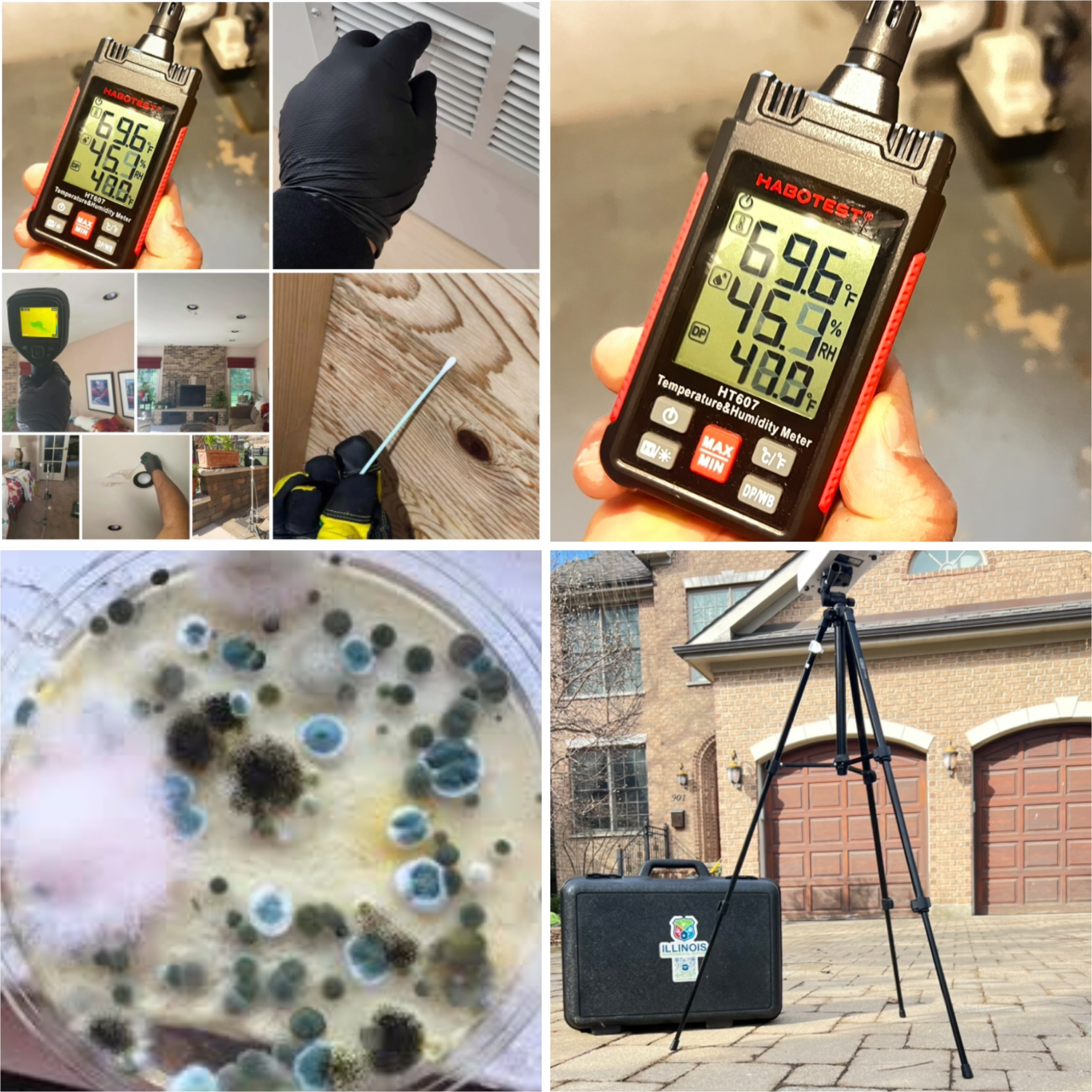
Mold inspection tools laid out together: a temperature and humidity meter, a thermal camera, sampling swabs and a culture dish

Mold is a moisture problem in disguise. Cleaning what you can see without fixing the water behind it just gives it somewhere new to grow. This is how to deal with it without making it worse.

  • The first hours
  • What makes it worse
  • Why it comes back
  • Insurance
  • The process
Read the mold guide
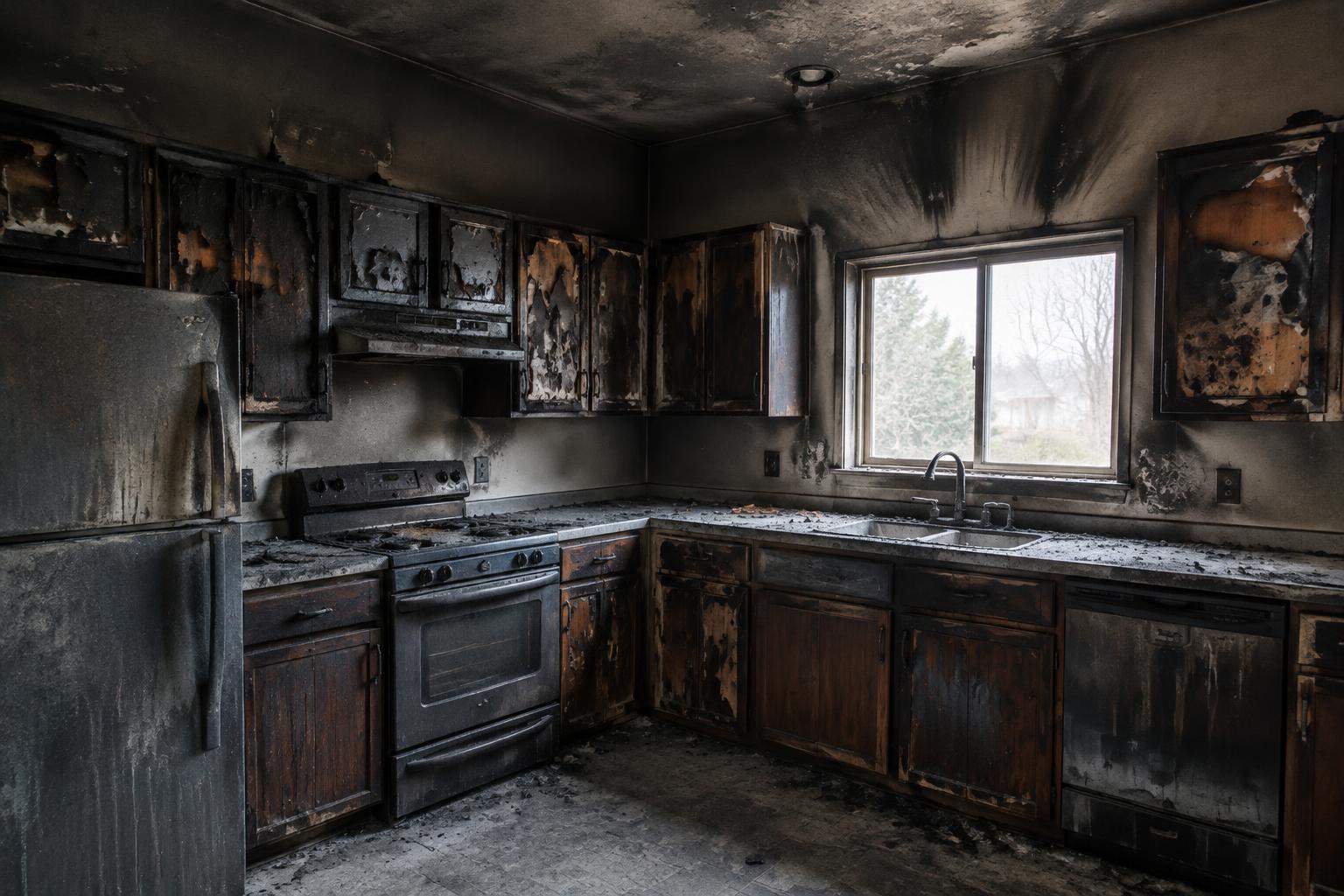
A fire-damaged kitchen: charred cabinets, a blackened refrigerator and ash across the countertop

Charring is the easy part. Smoke travels through a building and keeps doing damage after the fire is out — corroding metal, staining surfaces, and settling into everything the air touched.

  • The first hours
  • What makes it worse
  • What smoke reaches
  • Insurance
  • The process
Read the fire and smoke guide
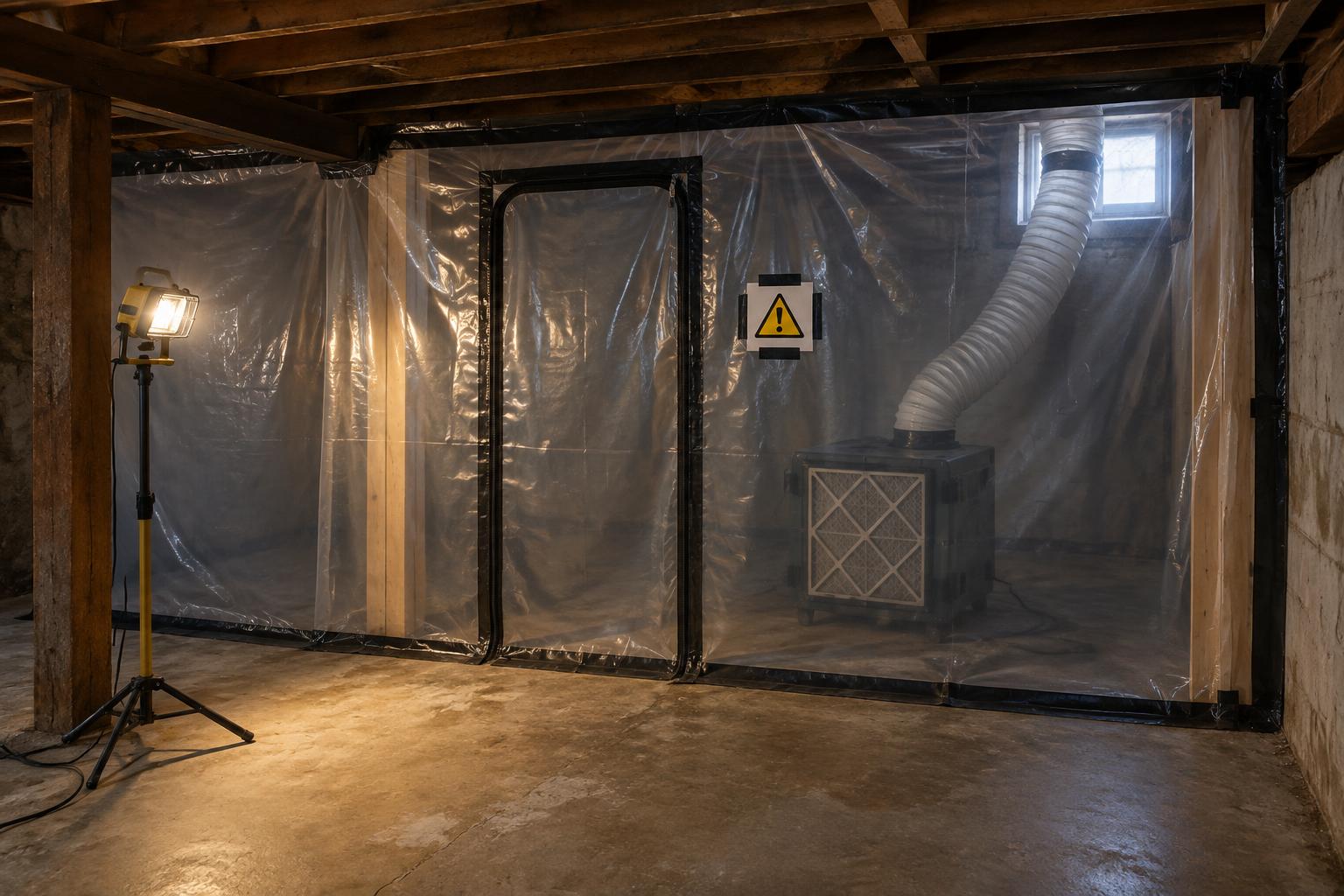
Plastic containment framing in a basement with a HEPA air filtration unit exhausting through a small window

Asbestos is a hazard when fibers get into the air. Material in good condition is usually safer left alone than disturbed — so the question is not whether it is there, but whether anything is about to cut into it.

  • If you suspect it
  • What makes it worse
  • Where it hides
  • Insurance
  • The process
Read the asbestos guide

How to read them

Every guide is built the same way, on purpose.

So you can read the one that applies to you in five minutes flat, or skip straight to the part you need.

01
The first hours, in order
The sequence that actually matters, and the one or two things not to do.
02
What makes it worse
The well-meant mistakes that turn a dryable room into a replacement job.
03
Where it hides
Water behind a wall, smoke in a room the fire never reached, mineral in the tile under the floor.
04
What insurance covers
The general shape of an Illinois policy, and the limits that catch people out.
05
Do it yourself, or call
A straight split, including the things you genuinely can handle yourself.
06
How the job runs
From the first call to the report in your hand, step by step.

Reading is not the same as being looked at.

A guide can tell you what usually happens. It cannot tell you whether the wall in front of you is wet. If you would rather have someone look at it, that is what the assessment is for — and we will tell you honestly if you do not need us.

Chicago and the surrounding communities.

Call (877) 923-8883Get help